Carpet Cleaning in Greater Sudbury and Area
Whole-home, move-out, and everyday residential cleans—with clear talk on dry times, pet urine, upholstery, and rugs so you can request a quote with the right details.
Carpets in Greater Sudbury collect winter road salt and sand, spring melt grit, pet accidents, and everyday traffic until lanes look grey and entries crunch underfoot. People search for carpet cleaning because they need to know whether truck-mount steam cleaning, a low-moisture method, enzyme urine work, or a combined sofa-and-rug visit is the right next step. We explain those choices in local terms and make it easy to call (705) 999-9999 or request a quote.
Carpet care is not one product. Hot water extraction, encapsulation, spot treatment, upholstery chemistry, and plant rug washing solve different problems. Understanding the landscape before you call helps you ask better questions—and avoid paying for pad work when a surface enzyme clean may help, or the reverse.
Why Sudbury carpets soil so fast
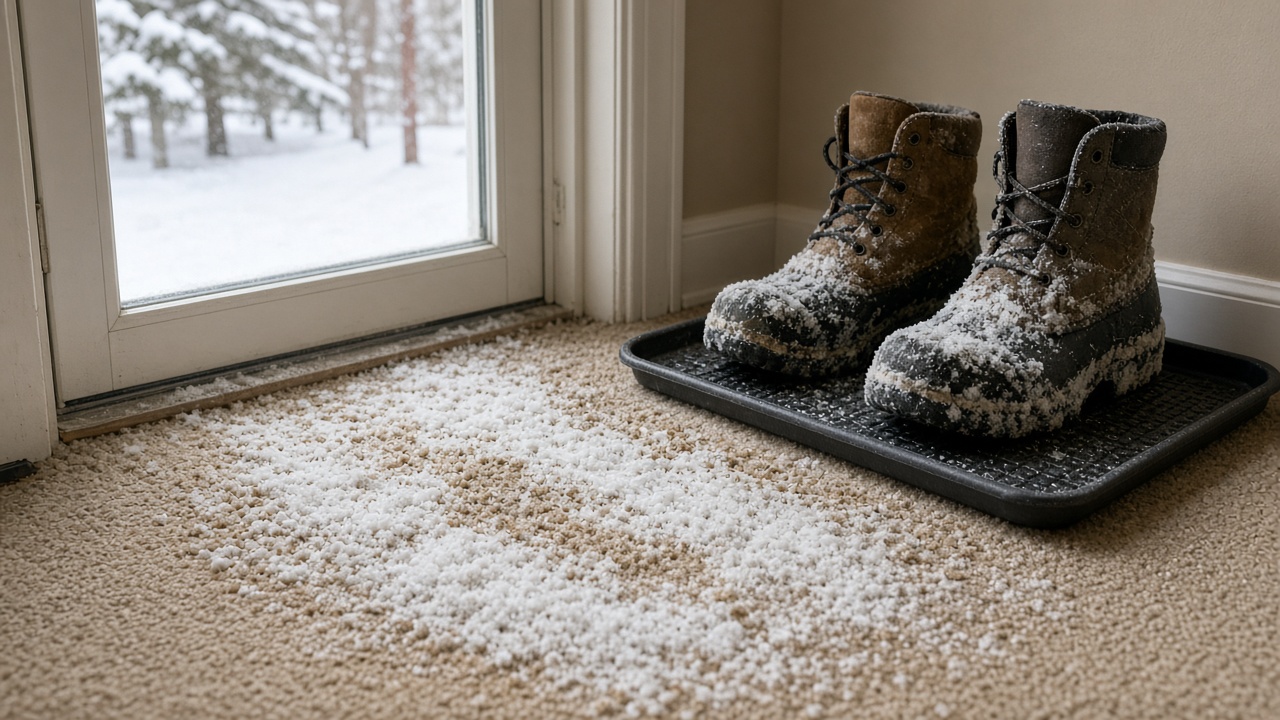
Greater Sudbury maintains roads with salt and sand through winter. When temperatures drop, sand applications track indoors with boots and pets. Ice-melt chemicals leave white powdery residue and can soak into fibres and padding. Local commercial-cleaning guidance and competitor Sudbury landing copy both name winter slush, road salt, and grit as carpet wear drivers across New Sudbury, South End, Minnow Lake, and downtown.
That abrasive grit dulls fibres, shortens carpet life, and loads your vacuum with what it can only partially remove. Mats, boot trays, more frequent vacuuming, and a post-winter professional clean after peak salt and sand season are the practical stack—not marketing fluff.
- Late winter / early spring — salt residue, sand grit, and melt mud at entries
- Pet households — urine salts in pad, not just surface stains
- Move-out / rentals — deposit risk when traffic lanes and odours remain
- Combined soft furnishings — sofas and rugs that need the same visit as carpet
Hot water extraction vs low-moisture cleaning
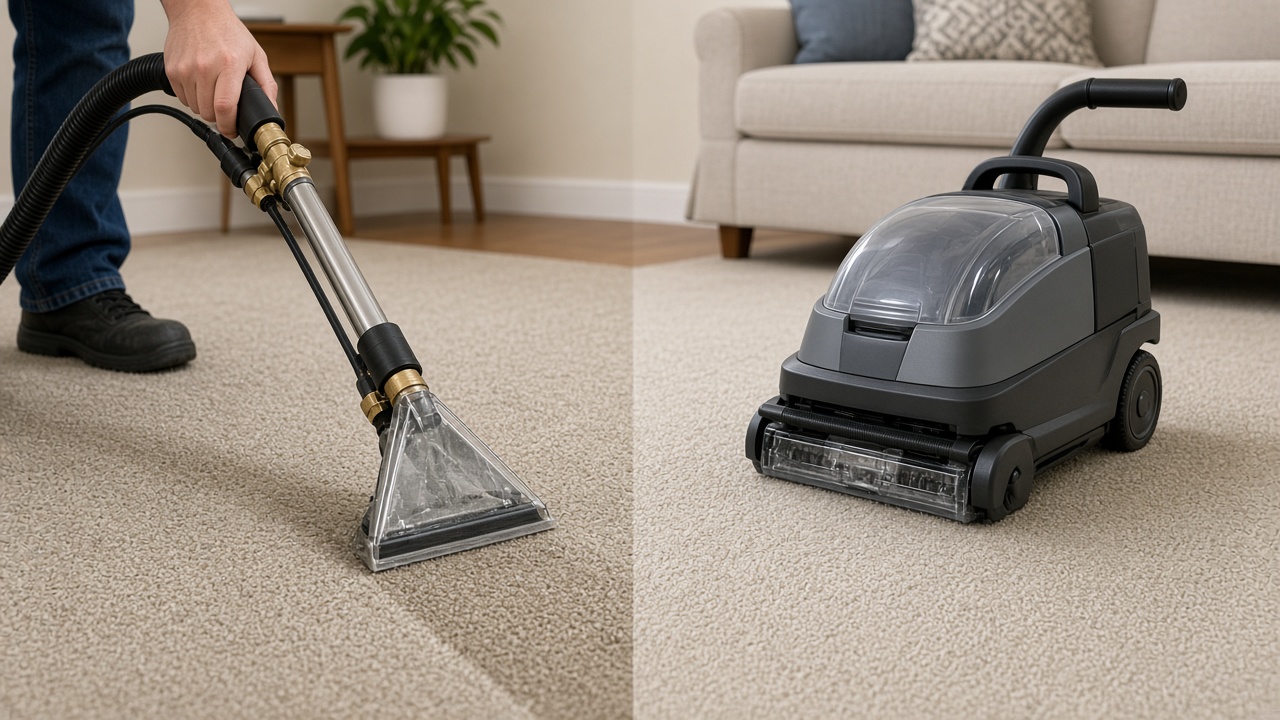
Hot water extraction—what most people call steam cleaning—uses pretreat chemistry, agitation, hot rinse water, and strong vacuum recovery. It is the method carpet manufacturers and IICRC training most often emphasize for deep soil and many warranties. Truck-mounted systems typically sustain higher heat and vacuum than consumer rental machines.
Low-moisture or encapsulation methods use less water, crystallize soil for later vacuuming, and dry faster. They can be a good maintenance choice on lightly soiled carpet. They are weak on urine, heavy oils, and deep liquid stains unless paired with extraction spotting. Some Sudbury-area incumbents market low-moisture systems with dry times measured in hours—useful when you need rooms back quickly, provided the soil type fits.
Read the carpet cleaning guide for dry-time expectations, truck-mount vs portable questions, and prep checklists.
Dry times you should expect
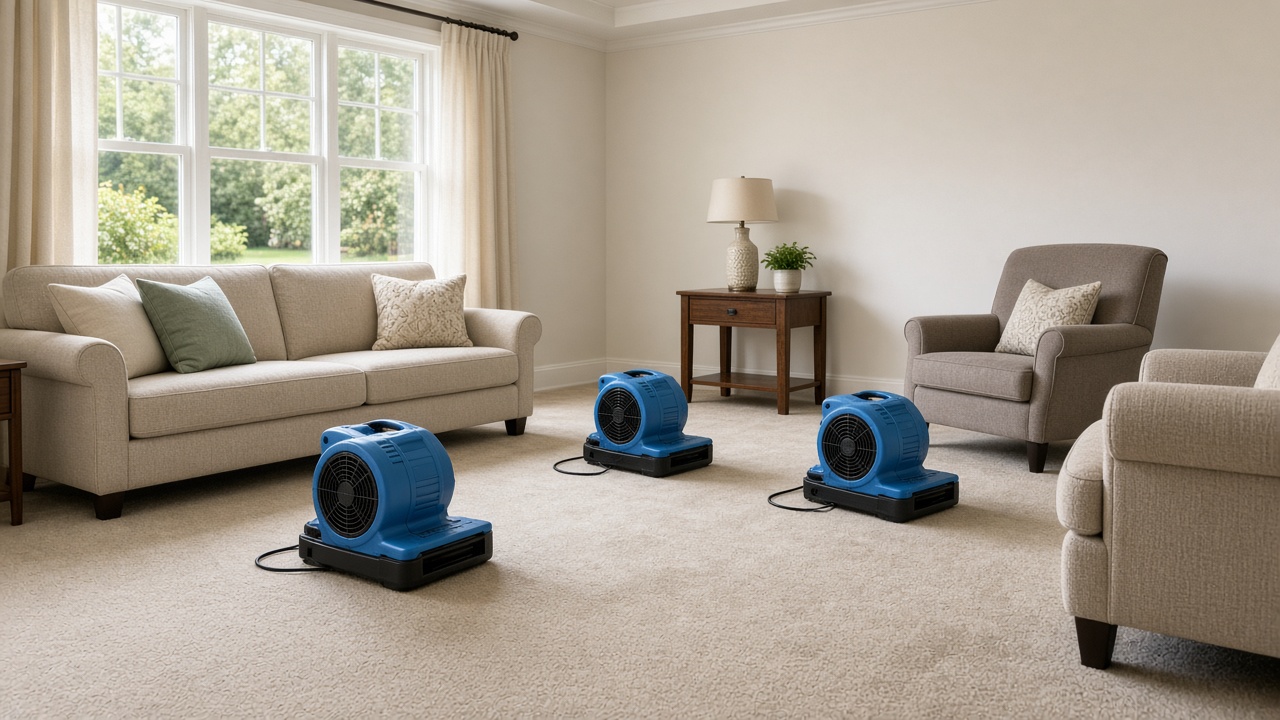
Capable hot water extraction should leave carpet usable in roughly two to six hours in many conditions, and should not stay wet for days. Multi-day dampness is a red flag for over-wetting. Low-moisture cleans often dry in one to two hours. Fans, heat, and airflow help. Upholstery is different: fabric can feel dry while foam cores stay cool and damp for a day or more—stand cushions on edge and keep air moving.
Pet urine and stain honesty
Urine does not stay in the face fibres. It drips into pad and sometimes subfloor. A cheap deodorizer add-on that only treats the surface often fails within days. Enzyme pretreat plus thorough extraction helps light or recent accidents. Heavy or repeated urine may need sub-surface extraction (sometimes called a water claw), pad replacement, or sealing—work that legitimately costs more than a standard room clean. Two wildly different quotes often price different scopes, not different “quality.”
Some dyes permanently discolor fibres. Wear areas stay darker even when clean. Ethical cleaners refuse a blanket “every stain gone” guarantee. Read the stain removal guide for wine, coffee, blood, and urine decision points.
Upholstery and fabric codes
Before any wet cleaning, find the furniture tag: W (water OK), S (solvent only), WS (either), or X (vacuum only). Ignoring codes causes rings, shrinkage, and colour loss. Dry-clean-only does not mean “ignore forever”—it means solvent or carefully tested low-moisture work, not a flooded rental machine.
Read the upholstery cleaning guide for drying tips, sectional logistics, and local price anecdotes.
Area rugs: in-home vs plant wash
Synthetic area rugs can often be cleaned in place. Handmade wool, oriental, and silk-blend rugs usually need dry dusting before water, controlled washing, and fast forced-air drying—ideally in a facility. Sudbury locals specifically ask where to take large 9×12 rugs. In-place steam-only on a valuable Persian is a common red flag. Ask whether rugs leave the home when you request a quote.
Read the area rug cleaning guide for dusting, fringe caution, and dye-bleed testing.
What changes a carpet cleaning quote
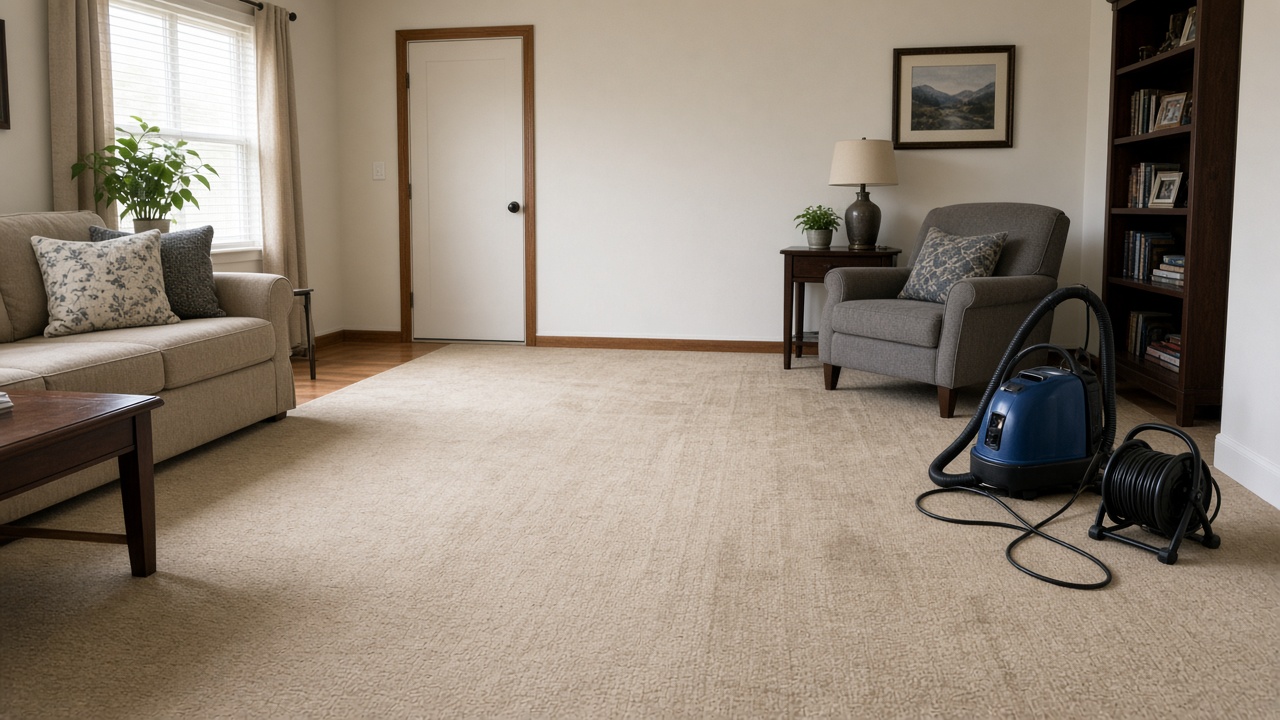
Quotes vary with scope, not slogans. Ask for a written estimate that lists inclusions so you can compare bids on the same job.
- Room count, room size, and open-concept counting
- Soil level, winter salt residue, and pet urine or odour treatment
- Stairs, hallways, and protector or deodorizer add-ons
- Furniture moving rules and any minimum visit charge
- Travel outside core Greater Sudbury
Sample quote checklist
Use this labelled checklist when you request a quote—ours or anyone else’s—so every bid covers the same job. It is a planning tool, not a price list.
- Number and approximate size of rooms
- Stairs and hallway length
- Whether furniture needs moving
- Pet concerns (stain vs recurring odour)
- Upholstery or rugs to include
- Occupied home vs vacant / move-out date
- Access notes (keys, gate codes, parking)
- Whether an itemized receipt is needed
What to expect from enquiry to dry carpet
A typical visit looks like this:
- Intake — rooms, pets, stains, access, and preferred date
- Estimate — per-room or package quote; on-site look for heavy urine when needed
- Prep — pick up clutter; move light furniture if required
- Clean — pre-vac as needed, pretreat, agitate, extract or encap, spot treat
- Dry — fans if needed; limit traffic until dry
- Aftercare — vacuum after encapsulation if directed; report wicking promptly
Ask about current booking windows when you call (705) 999-9999.
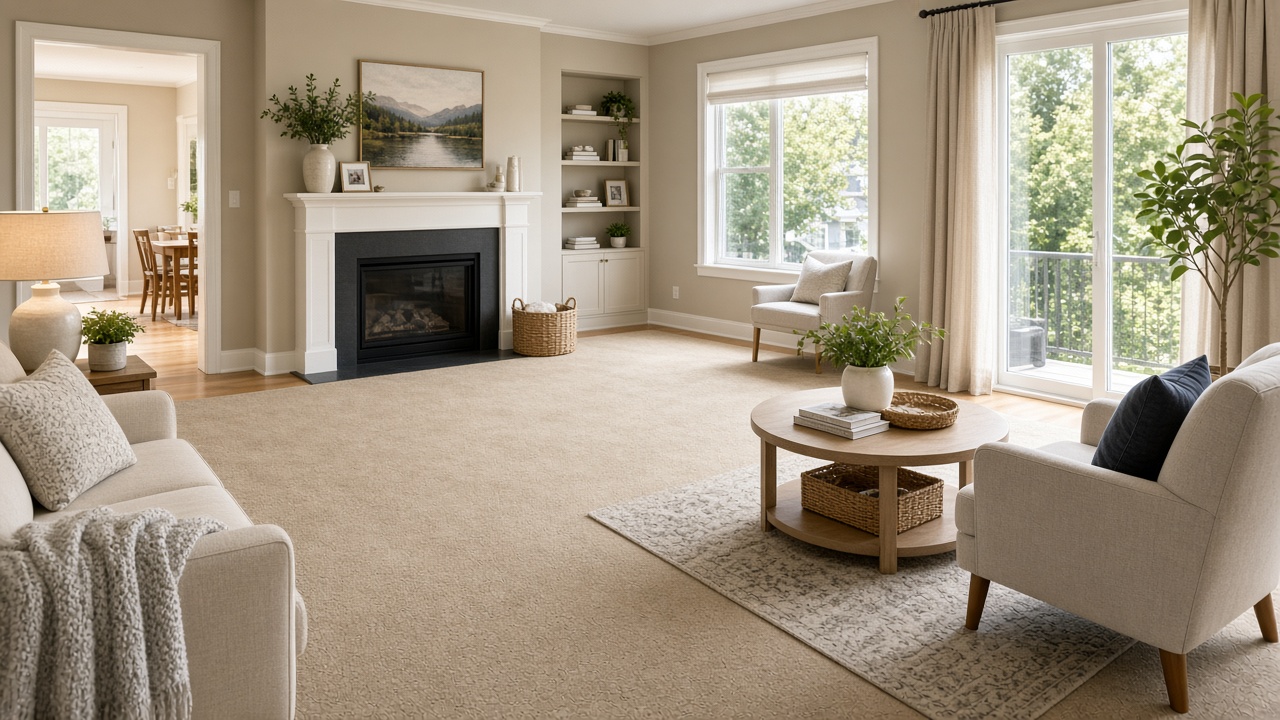
How to compare carpet cleaning quotes in Greater Sudbury
Align every bid on the same problem and scope. Ask whether the price includes pretreat, rinse extraction, deodorizer, protector, stairs, and pet treatment—or whether those appear as door add-ons. Confirm furniture-moving rules and any minimum charge. If one quote is much higher, it may include pad flushing for urine while the cheaper quote is surface-only. Write the inclusions down before you choose.
Neighbourhoods across Greater Sudbury—New Sudbury, South End, Minnow Lake, downtown, Flour Mill, Donovan, West End, and Copper Cliff—share the same winter soil story. Confirm Lively, Capreol, Azilda, Chelmsford, Garson, Coniston, Dowling, Valley East, or other nearby addresses when you call (705) 999-9999.
Move-out and rental carpets
Sudbury’s rental stock in South End, New Sudbury, and Flour Mill supports steady move-out demand. Cleaning traffic lanes and treating odours before inspection can help, but it will not erase years of wear or deep urine in pad. Photograph carpet condition at move-in and move-out. Landlords and property managers often schedule cleans between tenancies—bundle rooms and hallways when available.
When you request a move-out quote, share the deadline, whether rooms are empty or still furnished, key or lockbox access, pet history, and whether you need an itemized receipt for the landlord or property manager.
Indoor air, allergies, and vacuuming limits
Professional cleaning is not a medical treatment, but it does pull particulate from deep fibre that household vacuums miss—especially after Sudbury’s salt and sand season. Public Health Sudbury & Districts notes indoor air quality risks for asthma, children, and older adults; Health Canada lists unclean floors and carpeting among indoor particulate sources. Pair a clean with better entry habits: scrapers outside, absorbent mats inside, and timely furnace-filter changes.
Vacuuming still matters between pro visits. Use a machine with strong sealed suction and appropriate height settings. Slow passes on traffic lanes beat racing through the house. After encapsulation cleans, follow any instruction to vacuum crystallized soil once dry.
Commercial and light-office carpets
Storefronts and small offices track the same winter grit, plus lunch spills and after-hours traffic. Ask about after-hours scheduling so dry times do not interrupt customers. Share approximate area, facility type, and whether you need a one-time deep clean or recurring maintenance when you request a quote.
Choosing language that matches how you search
People search “steam carpet cleaning,” “carpet cleaners near me,” “pet urine smell,” and “sofa cleaning Sudbury” for the same household problem set. On this site we use those plain phrases while teaching the trade names—hot water extraction, encapsulation, water claw—so quotes make sense. If a salesperson only says “eco clean” without explaining chemistry and extraction, ask them to translate.
Carpet cleaning FAQs
Where can I get large area rugs cleaned in Sudbury?
Ask whether rugs are cleaned in-home or taken to a plant, turnaround time, and fibre limits. Large 9×12 rugs often need plant capacity. Call (705) 999-9999 to describe your rugs and timing.
Does winter road salt and sand ruin indoor carpets?
Salt and sand tracked indoors leave abrasive grit and white residue; ice-melt chemicals can soak into fibres and padding. Entry mats, boot trays, frequent vacuuming, and a post-winter professional clean help protect carpets in your home.
How often should I have my carpets cleaned?
Many pros and mills recommend about every 12–18 months for typical homes; sooner with pets, kids, or heavy traffic. Sudbury winters may justify a spring clean after peak salt and sand season.
How much does carpet cleaning cost in Greater Sudbury?
Price depends on room count and size, soil level, stairs and hallways, pet urine scope, furniture moving, protectors or deodorizers, and travel outside the city. Ask for a written quote that lists those inclusions for your home rather than comparing headline numbers alone.
What should I ask before hiring a carpet cleaner for the first time?
Ask about method (hot water extraction vs encapsulation), equipment (truck-mount vs portable), expected dry time, what is included vs upsold, and how they handle pet urine. Compare written scopes, not just the headline number.
Is steam cleaning the same as hot water extraction?
In consumer language, yes — steam cleaning usually means hot water extraction (hot water, detergent, and strong vacuum), not literal clothing-iron steam. Confirm the rinse and extract step is included.
Will professional cleaning help indoor air and allergies?
Cleaning removes embedded particulate that vacuuming misses. Public health sources note indoor particles can irritate airways, especially for asthma, children, and older adults. Carpet cleaning is not a medical treatment — combine with mats, HEPA vacuuming, and ventilation.
Are eco-friendly carpet cleaners actually different?
Most professional chemistries are biodegradable; eco is often marketing. What matters more is correct chemistry for the soil, thorough extraction so residue isn't left behind, and safe use around kids and pets once dry. Ask what products they use and rinse practices.
Can I combine carpet, sofa, and rug cleaning in one appointment?
Yes — many providers clean soft furnishings and carpets together. Confirm minimum charges and whether rugs leave the home. Call (705) 999-9999 to describe your pieces and timing.
Why does my rental still smell like cat urine after the landlord cleaned the carpet?
Surface cleaning often fails when urine reached the pad and subfloor; locals have reported smell persisting after two cleans until carpet and pad were replaced. Ask for enzyme plus pad treatment (or replacement) rather than another surface-only clean.
Services
Carpet cleaning
Hot water extraction and deep cleaning for Sudbury homes—traffic lanes, stairs, and winter salt soil.
Upholstery cleaning
Sofas, sectionals, and chairs cleaned to fabric code—with honest dry times for foam cores.
Area rug cleaning
Synthetic in-home cleans and careful guidance for wool and oriental rugs that need more than steam.
Stain removal
Pet urine, wine, coffee, and protein stains—with clear limits when dyes or pads will not fully clear.