Sofas, sectionals, and chairs—cleaned to the tag
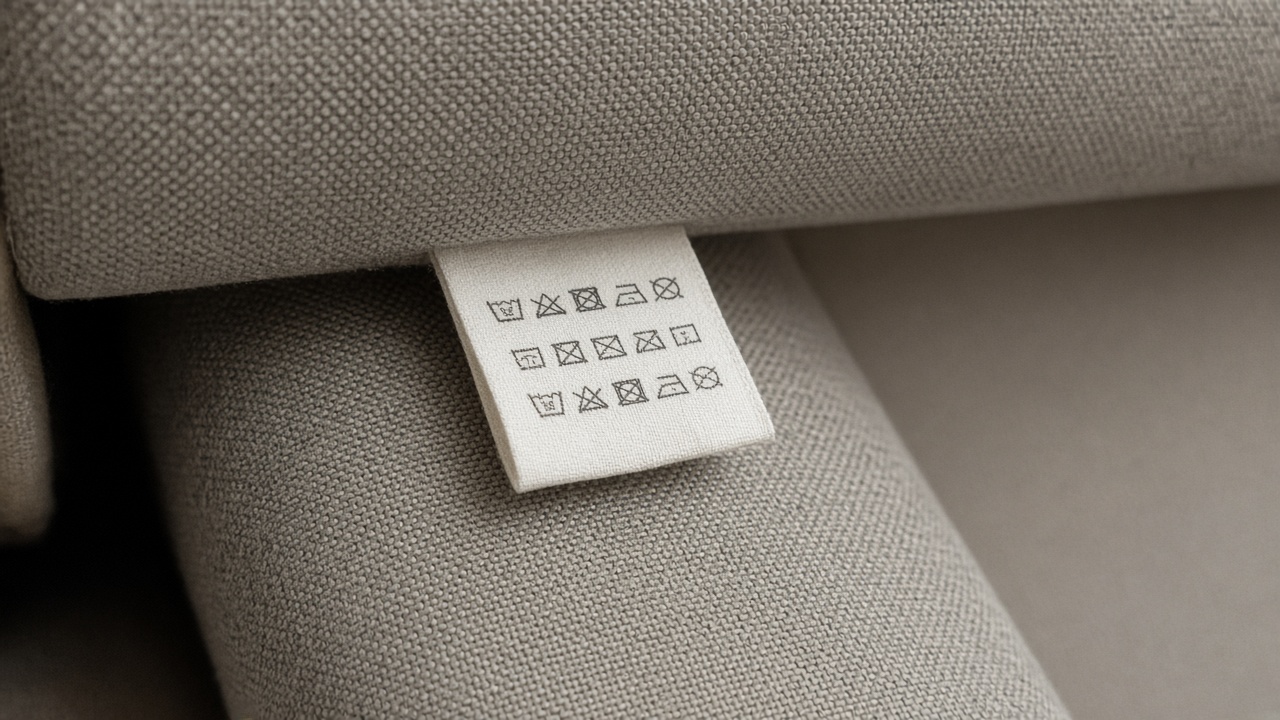
Upholstery cleaning follows fabric cleaning codes, not guesswork. A water-based clean on an S-code sofa can leave rings, shrinkage, or colour loss. We explain the codes so you can ask any technician the right questions before they spray.
Sudbury homeowners often want carpets and sofas done in one visit. That is common industry practice—confirm minimum charges and fabric limits when you call.
W / S / WS / X codes
- W — water-based cleaners OK
- S — solvent / dry clean only
- WS — either method with care
- X — vacuum only; no liquids
Dry times and damp foam
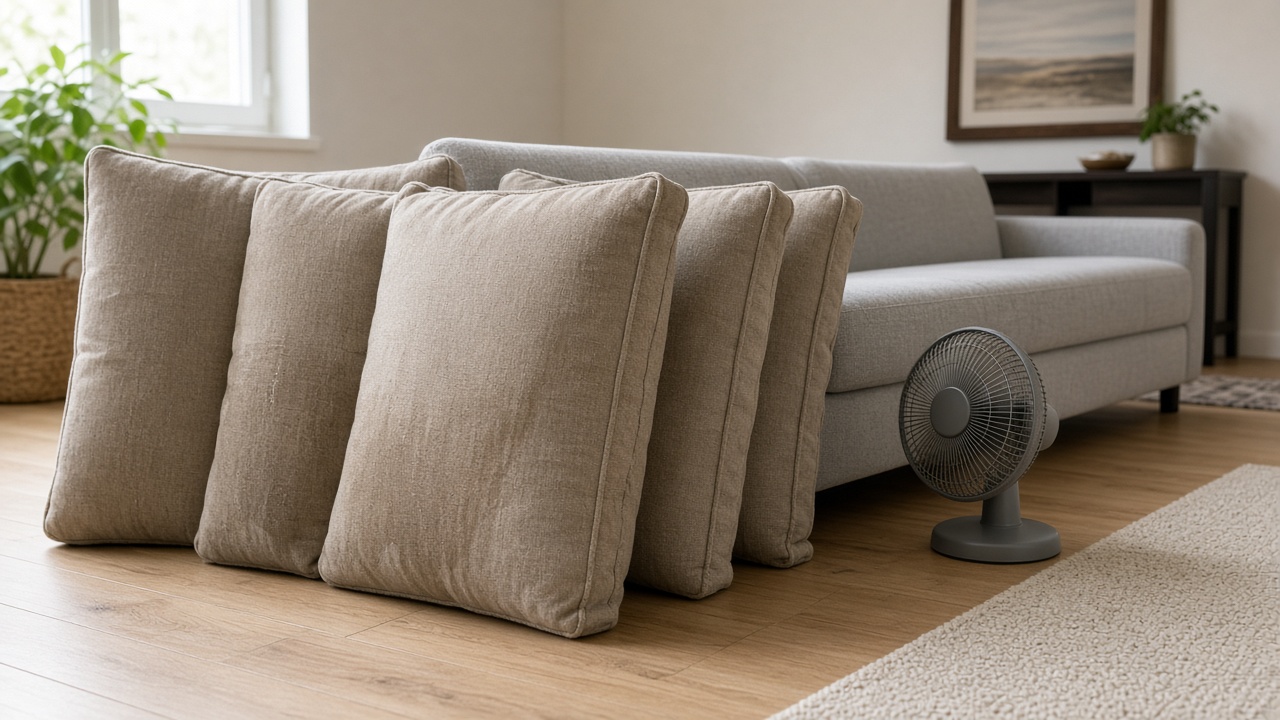
Fabric can feel dry in roughly 2–4 hours while foam cores stay cool and damp for 24–36 hours. Stand cushions on edge, run fans, and keep the room warm. Over-wet DIY machines are a common cause of lingering sofa odour.
Local price context
Sofa pricing varies with size, fabric code, soil level, and whether the visit is combined with carpet cleaning. Ask for a written quote that lists pieces and method for your home.
Delicate fibres
Cotton, linen, and viscose blends can watermark. Pros test first and may prefer solvents or multiple light passes. Repair (tears, reupholstery) is a different trade than cleaning—locals have pointed to upholstery shops for fabric repair.
Upholstery cleaning FAQs
What changes the price of professional couch cleaning in Sudbury?
Sofa pricing varies with size, fabric code, soil level, and whether the visit is combined with carpet cleaning. Ask for a written quote that lists pieces and method for your home.
What do the W / S / WS / X codes on my sofa mean?
W means water-based cleaners are OK; S means solvent or dry clean only; WS means either; X means vacuum only — no liquids. Ignoring codes can cause rings, shrinkage, or colour loss.
How do you actually clean dry-clean-only upholstery?
Dry clean or S means no water — pros use solvents that evaporate, or carefully tested low-moisture approaches. Test inconspicuous areas; minimize moisture; clean panel-to-panel to avoid watermarks.
If I spray cleaner and scrub a microfibre couch, where does the dirt go?
Dirt should transfer into your cloth as you blot; after drying, vacuum with an upholstery tool. Scrubbing without extraction can push soil deeper or leave residue.
Why is my sofa still damp inside after the fabric feels dry?
Fabric dries before foam and padding; internal moisture can linger 24–36 hours after extraction. Stand cushions on edge, run fans, keep room warm, and avoid sitting until cores feel dry.
How long should upholstery take to dry?
Surface dry often in roughly 2–4 hours for thin fabrics after extraction. Thick cushions take longer — fabric can feel dry while foam stays cool and damp.
Can pros clean sectionals and large chairs in one visit with carpets?
Yes — providers who list both carpet and upholstery commonly combine them. Confirm pricing per piece and fabric limitations.
Will water stain my cotton, linen, or viscose sofa?
It can — those fibres are prone to watermarks and texture change. Pros test first and may prefer solvents or multiple light passes over one wet clean.
Is a Walmart or Canadian Tire machine enough for a smelly couch?
Locals sometimes buy or rent machines for light jobs. Risky on S-code and natural-fibre blends; over-wetting foam causes odour. When in doubt, hire a cleaner who reads the tag and tests first.
Who repairs upholstery fabric vs who cleans it in Sudbury?
Fabric repair (tears, reupholster) is a different trade than cleaning — locals have pointed to upholstery shops for repairs. Ask cleaners about cleaning only unless they also offer repair.